

International Ecological Footprint Learning Lab
The International Ecological Footprint Learning Lab (IEFLL) partnership is a multi-year international partnership designed to address the pressing challenges of the Anthropocene. This interdisciplinary partnership prioritizes teaching, applying, decolonizing, and improving measurements of Ecological Footprint and Biocapacity.
Training | Research | Practice
As humanity’s demand for Earth’s natural resources continues to outstrip what the Earth can provide, it is crucial to train a new generation of leaders with the skills to engage deeply and equitably with big data while advancing just transitions.
Learn more about courses and internships offered in our training program
Explore the research interests of our partners and students
Find Ecological Footprint and Biocapacity data
Explore ecological footprint resources
Learn more about the partnership by reading our blog posts, subscribing to our newsletter, finding our publications, and watching our YouTube videos
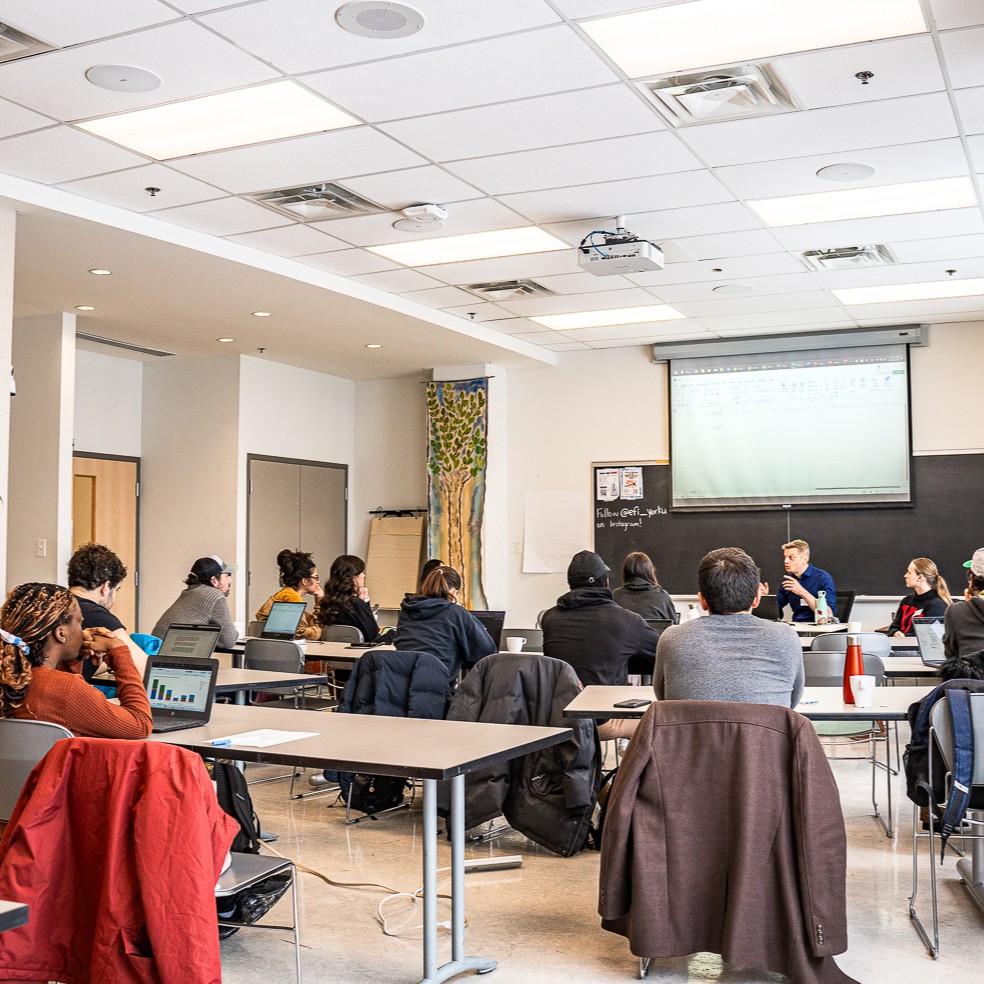
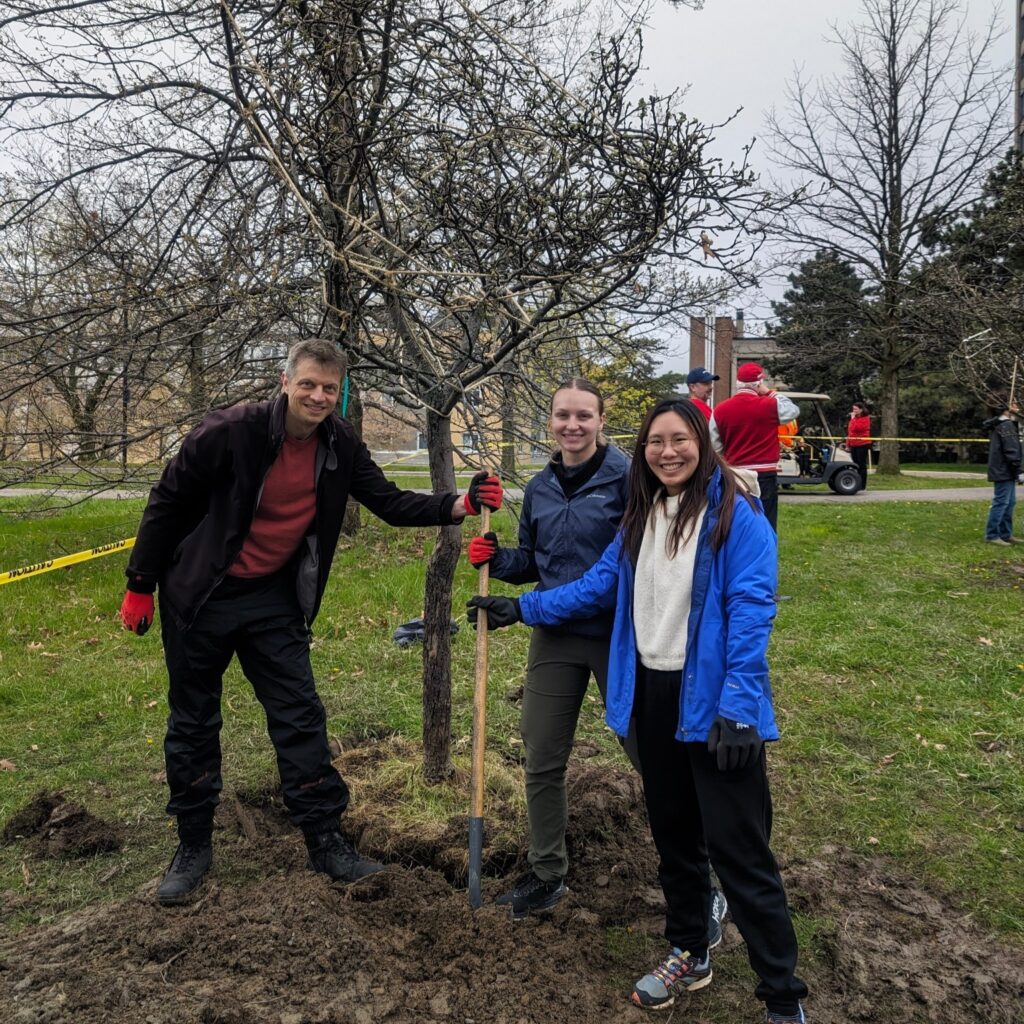
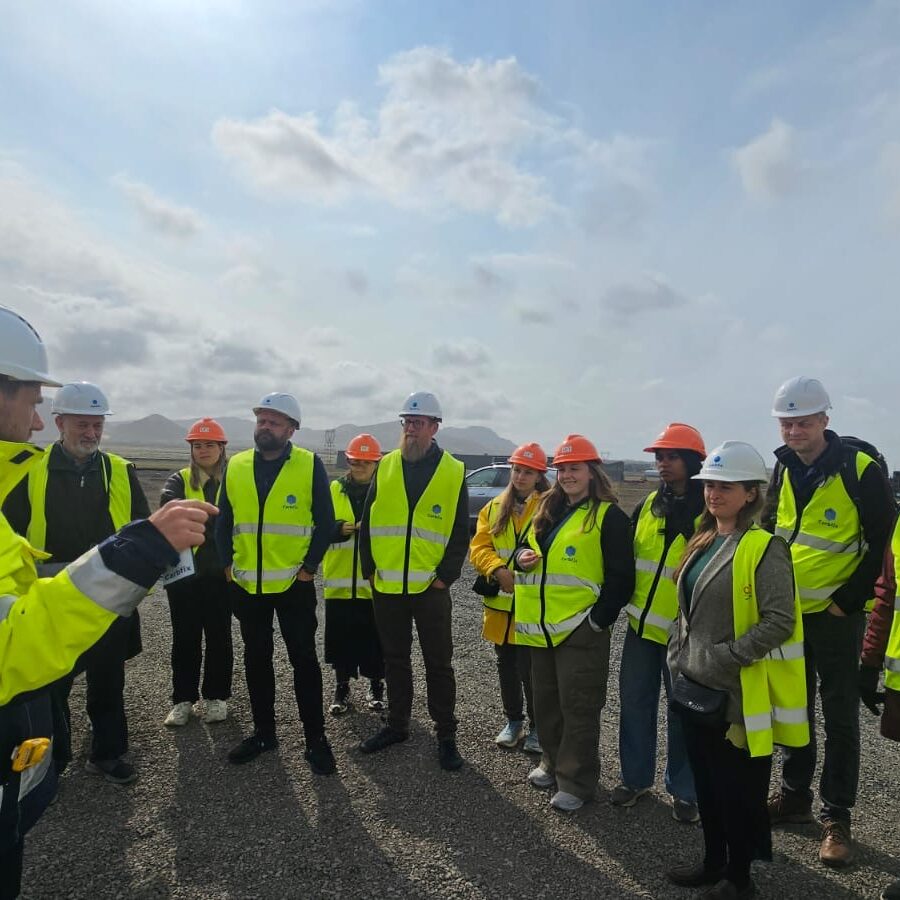

We are accepting new members
Join the partnership as a student, individual, or organization and contribute to a growing body of research and data on sustainability
This partnership draws on research supported by the Social Sciences and Humanities Research Council.

Our Partners
This partnership brings together international research units across academic, public, private, and non-profit sectors to implement a co-created research agenda. Below are the four core institutional partners.
York University
York University is the host institution for IEFLL and where the National Ecological Footprint and Biocapacity Accounts are produced.
The Ecological Footprint Initiative is located in the Faculty of Environmental and Urban Change at York University, it is the core training hub for the partnership.


University of Iceland
The University of Iceland is the core international partner for the partnership, with an exceptional track record of Ecological Footprint research.
Students at the University of Iceland, in the Faculty of Environment and Natural Resources, will be trained in producing the National Ecological Footprint and Biocapacity Accounts.
British Columbia Institute of Technology
The British Columbia Institute for Technology is a main partner and the core institution for city-scaled ‘bottom-up’ measurements of the Ecological Footprint and Biocapacity.


Global Footprint Network
The Global Footprint Network is a research and knowledge mobilization organization that monitors and publicly disseminates the Ecological Footprint and Biocapacity data along with applications of the data.